


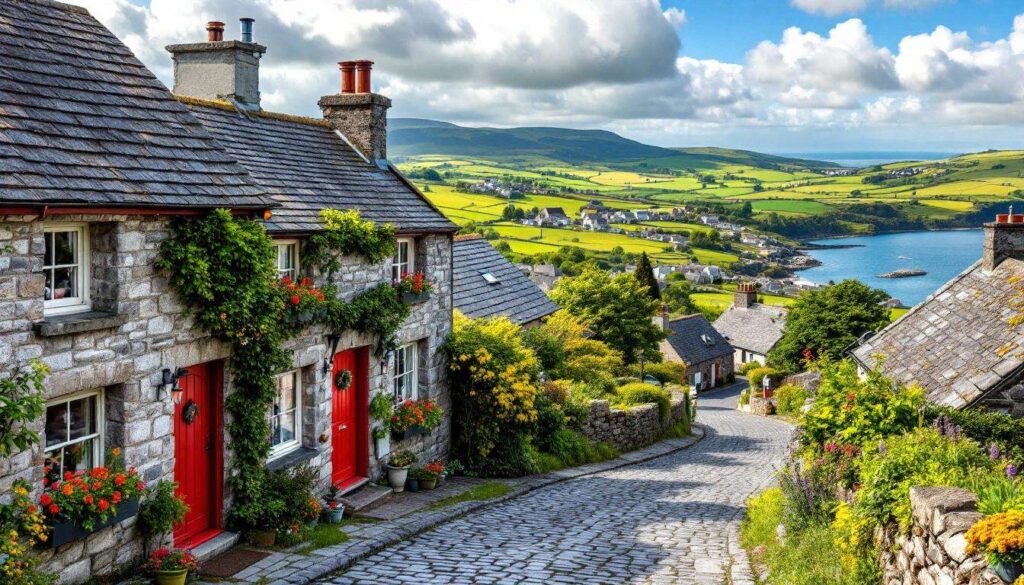
Ireland’s landscape is dotted with enchanting towns that capture the essence of the Emerald Isle’s timeless beauty. From colourful harbours nestled along dramatic coastlines to medieval villages tucked into rolling green hills, these destinations offer visitors an authentic glimpse into Irish heritage, culture, and natural splendour. Each town possesses its own distinct character, shaped by centuries of history and the warm hospitality of its residents.
Kinsale, a jewel of County Cork
A harbour town steeped in maritime heritage
Kinsale stands proudly at the mouth of the River Bandon, approximately 25 kilometres south of Cork City. This historic harbour town has evolved from a strategic naval port into one of Ireland’s most celebrated destinations, renowned for its vibrant culinary scene and picturesque setting. The town’s narrow, winding streets are lined with brightly painted Georgian houses in shades of yellow, pink, blue, and red, creating a postcard-perfect tableau against the backdrop of the harbour waters.
Gastronomic excellence and cultural attractions
The town has earned its reputation as the gourmet capital of Ireland, hosting numerous award-winning restaurants and artisan food producers. Visitors can explore:
- Charles Fort, a star-shaped 17th-century fortress offering panoramic views across the harbour
- The historic Desmond Castle, which houses a wine museum
- Numerous galleries showcasing local artists and craftspeople
- Annual festivals celebrating food, arts, and maritime traditions
The town’s compact size makes it ideal for leisurely exploration on foot, with every corner revealing architectural gems and hidden courtyards. The marina bustles with sailing boats and yachts, whilst the waterfront promenade provides stunning vistas across Kinsale Harbour. Beyond its aesthetic appeal, Kinsale serves as an excellent base for exploring the dramatic coastline of West Cork, where rugged cliffs meet the Atlantic Ocean.
The picturesque charm of Roundstone, county Galway
An authentic Connemara fishing village
Roundstone occupies a spectacular position on the western shores of Connemara, facing Bertraghboy Bay with the Twelve Bens mountain range rising majestically in the background. This small village, home to fewer than 300 residents, has retained its authentic character despite its growing popularity among discerning travellers. The harbour remains the heart of the community, where traditional currachs (canvas-covered boats) rest alongside modern fishing vessels.
Natural beauty and artisan traditions
The village’s main street curves along the coastline, lined with whitewashed cottages, craft shops, and welcoming pubs where traditional music sessions occur spontaneously. Roundstone is particularly famous for:
- The Roundstone Musical Instruments workshop, where authentic bodhráns are handcrafted
- Gurteen Bay and Dog’s Bay, two stunning white-sand beaches within walking distance
- The annual Roundstone Regatta, celebrating maritime traditions
- Breathtaking sunset views over the Atlantic
| Feature | Distance | Travel Time |
|---|---|---|
| Galway City | 75 km | 1 hour |
| Clifden | 24 km | 25 minutes |
| Connemara National Park | 35 km | 40 minutes |
The surrounding landscape offers endless opportunities for hiking, with trails leading through boglands carpeted in wildflowers and up to viewpoints revealing the full majesty of Connemara’s untamed beauty. The village’s isolation has preserved its tranquil atmosphere, making it a sanctuary for those seeking respite from modern life’s demands.
Inistioge, a hidden gem of County Kilkenny
Medieval elegance beside the River Nore
Inistioge remains one of Ireland’s best-kept secrets, a perfectly preserved village that seems frozen in a gentler era. Situated on the banks of the River Nore, approximately 25 kilometres southeast of Kilkenny City, this enchanting settlement features a distinctive ten-arched stone bridge dating from the 18th century. The village square, surrounded by mature lime and plane trees, creates a peaceful focal point where locals gather and visitors pause to absorb the serene atmosphere.
Cinematic appeal and natural surroundings
The village’s unspoilt beauty has attracted filmmakers over the decades, serving as a location for productions seeking authentic Irish settings. The surrounding countryside offers:
- Woodstock Gardens and Arboretum, featuring over 50 acres of landscaped parkland
- The Nore Valley Walk, following the river through ancient woodlands
- Ruins of a 13th-century Augustinian priory
- Traditional pubs serving locally sourced food
The village’s architecture reflects its prosperous past, with well-maintained Georgian and Victorian buildings painted in subtle heritage colours. Unlike more commercialised destinations, Inistioge has resisted overdevelopment, maintaining its authentic character whilst welcoming visitors warmly. The nearby Nore Valley provides excellent opportunities for fishing, kayaking, and nature walks through deciduous forests that blaze with colour during autumn months.
Adare, the elegance of County Limerick
Ireland’s prettiest village
Adare has earned the title of Ireland’s prettiest village through its exceptional preservation of thatched cottages and medieval buildings. Located just 16 kilometres from Limerick City, this picturesque settlement presents a harmonious blend of architectural styles spanning several centuries. The main street stretches for over a kilometre, lined with immaculately maintained cottages featuring traditional thatched roofs, colourful doors, and flower-filled gardens.
Historical treasures and modern amenities
The village’s historical significance is evident in its concentration of medieval religious buildings:
| Monument | Period | Current Status |
|---|---|---|
| Desmond Castle | 13th century | Partially restored ruins |
| Trinitarian Abbey | 1230 | Restored as Catholic church |
| Augustinian Friary | 1315 | Heritage site with visitor access |
Despite its historical character, Adare offers sophisticated modern amenities including luxury hotels, championship golf courses, and fine dining establishments. The village successfully balances tourism with local life, maintaining its residential character whilst providing excellent facilities for visitors. The surrounding parklands of Adare Manor, with their ancient trees and manicured lawns, add to the village’s refined atmosphere.
Dingle, vibrant heart of County Kerry
Gateway to the Atlantic edge
Dingle occupies a strategic position at the western tip of the Dingle Peninsula, where the Atlantic Ocean shapes both landscape and culture. This lively town, with a population of approximately 2,000, serves as the commercial and cultural hub for the surrounding Gaeltacht region, where Irish remains the primary spoken language. The harbour front buzzes with activity as fishing boats unload their catch and pleasure craft prepare for dolphin-watching excursions.
Cultural vitality and culinary excellence
The town’s colourful streets are packed with traditional pubs, many hosting nightly traditional music sessions that attract musicians from across Ireland. Dingle’s reputation extends to its exceptional food scene:
- Fresh seafood restaurants serving daily catches
- Artisan bakeries producing traditional breads
- Craft breweries and distilleries offering tastings
- Weekly farmers’ markets showcasing local produce
Beyond the town, the Slea Head Drive offers one of Europe’s most spectacular coastal routes, passing ancient archaeological sites, dramatic cliffs, and pristine beaches. The town serves as an ideal base for exploring the peninsula’s rich heritage, from early Christian beehive huts to locations featured in international film productions. Despite its popularity, Dingle retains an authentic atmosphere where locals outnumber tourists and traditional ways of life continue alongside modern tourism.
Westport, gateway to County Mayo
Georgian planning meets natural splendour
Westport represents a rare example of planned Georgian town design in Ireland, laid out in the late 18th century with tree-lined malls flanking the Carrowbeg River. This heritage town of approximately 6,000 residents sits at the southeastern corner of Clew Bay, with the sacred mountain of Croagh Patrick dominating the landscape to the west. The town’s architectural coherence and strategic location have made it one of Ireland’s most successful tourism destinations.
Activities and attractions for all seasons
Westport offers an exceptional range of activities and amenities:
- The Great Western Greenway, a 42-kilometre traffic-free cycling and walking route
- Westport House and Gardens, a historic estate with adventure activities
- Numerous festivals throughout the year celebrating music, arts, and heritage
- Access to Clew Bay’s 365 islands for kayaking and sailing
| Attraction | Type | Distance from Town |
|---|---|---|
| Croagh Patrick | Mountain pilgrimage | 8 km |
| Achill Island | Coastal scenery | 45 km |
| Keem Bay | Beach | 60 km |
The town centre maintains its Georgian elegance whilst accommodating contemporary needs with quality restaurants, boutique shops, and cultural venues. The Octagon, a distinctive limestone monument at the town’s heart, serves as a focal point for community gatherings and celebrations. Westport’s success lies in its ability to preserve historical character whilst embracing sustainable tourism development, creating a destination that appeals equally to adventure seekers, culture enthusiasts, and those simply seeking the warmth of Irish hospitality.
These six towns represent the diverse beauty found throughout Ireland, each offering distinct experiences whilst sharing common threads of warm hospitality, rich heritage, and stunning natural settings. Whether drawn to coastal drama, medieval history, culinary excellence, or simply the peaceful rhythm of village life, visitors will find these destinations reward exploration with memories that endure long after departure. The enduring appeal of Ireland’s most beautiful towns lies not merely in their physical beauty but in the authentic connections they foster between place, people, and the timeless landscapes that have shaped Irish identity for millennia.