


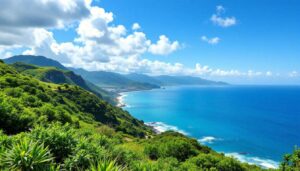
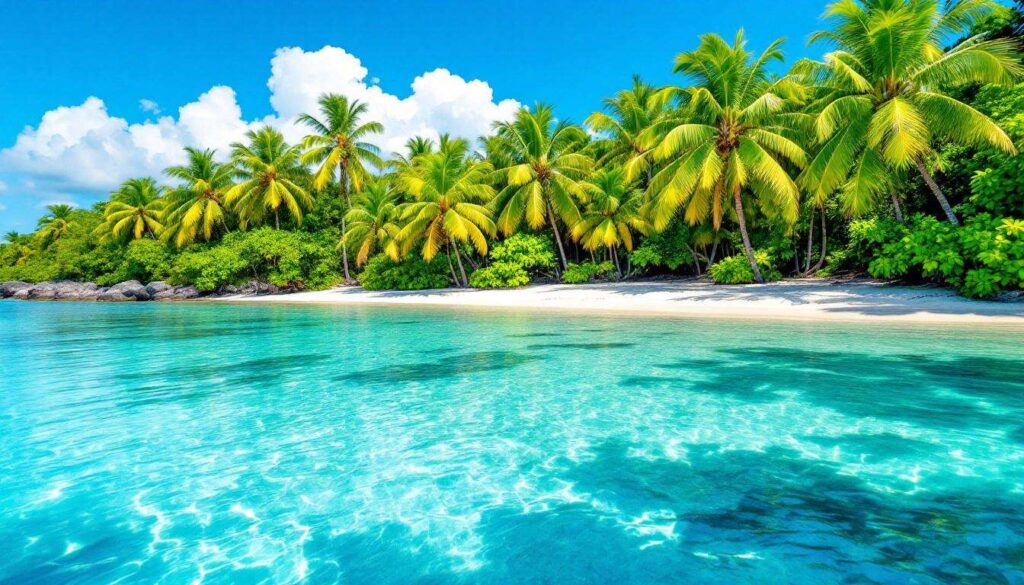
Bali has long captivated travellers with its verdant rice terraces, ancient temples and vibrant culture. Yet beyond this famed Indonesian island lies an archipelago of lesser-known gems waiting to be discovered. Small islands scattered across the surrounding waters offer pristine beaches, extraordinary marine biodiversity and authentic experiences far removed from crowded tourist hotspots. From the car-free shores of the Gilis to the dramatic limestone cliffs of Nusa Penida, these destinations provide unforgettable adventures for those willing to venture slightly further afield. Whether seeking world-class diving, secluded coastlines or traditional fishing villages, the islands near Bali present opportunities to explore Indonesia’s natural beauty in its most unspoilt form.
Exploring the Gili Islands: a tropical paradise
Three distinct island personalities
The Gili Islands comprise three small landmasses off Lombok’s northwest coast, each with its own character. Gili Trawangan, the largest and most developed, attracts backpackers and party-seekers with its lively beach bars and social atmosphere. Gili Meno occupies the middle ground both geographically and temperamentally, offering tranquillity and romance with its turtle sanctuary and quiet beaches. Gili Air strikes a balance between the two, providing relaxed vibes alongside sufficient amenities for comfortable stays.
Car-free island living
What sets these islands apart is the complete absence of motorised vehicles. Transportation options include:
- Traditional horse-drawn carts called cidomos
- Bicycle rentals available throughout each island
- Walking, as none of the islands exceeds five kilometres in circumference
This eco-friendly approach creates a peaceful atmosphere where the loudest sounds are waves lapping against shores and palm fronds rustling in tropical breezes. The crystal-clear waters surrounding the Gilis teem with marine life, making snorkelling and diving the primary activities for visitors.
Underwater encounters
The islands’ surrounding reefs host vibrant coral gardens and diverse species. Turtle sightings occur regularly, particularly around Gili Meno’s turtle sanctuary where conservation efforts support these endangered creatures. Night dives reveal bioluminescent plankton and nocturnal reef inhabitants, whilst day trips to nearby dive sites showcase everything from reef sharks to colourful nudibranchs.
Beyond these three well-known islands, the coastline further south reveals additional destinations where marine adventures continue to flourish.
Adventure on Nusa Lembongan: between beaches and surf
Pristine coastal landscapes
Nusa Lembongan sits approximately twelve kilometres southeast of Bali, accessible via fast boat in under thirty minutes. The island’s compact size makes exploration manageable, yet it packs considerable variety into its eight square kilometres. Dream Beach lives up to its name with powdery white sand framed by limestone cliffs, whilst Mushroom Bay offers calmer waters ideal for swimming and stand-up paddleboarding.
Surf breaks and water sports
The island’s southern coastline presents world-class surf breaks that attract experienced riders from across the globe. Notable spots include:
- Shipwrecks, a powerful left-hand reef break
- Lacerations, offering hollow barrels for advanced surfers
- Playgrounds, suitable for intermediate skill levels
For those preferring calmer activities, mangrove forest tours reveal unique ecosystems where roots create natural channels navigable by kayak or traditional jukung boats. The shallow waters harbour juvenile fish, crustaceans and bird species that depend on these protective environments.
Seaweed farming traditions
The local economy historically relied on seaweed cultivation, and numerous farms still operate along the coastline. Visitors can observe farmers tending their underwater plots during low tide, harvesting the crop that supplies industries ranging from cosmetics to food production. This authentic glimpse into traditional livelihoods provides cultural context often missing from purely tourist-focused destinations.
The neighbouring island shares Nusa Lembongan’s geological features whilst offering dramatically different experiences above and below the waterline.
Discovering Nusa Penida: marine life and cliffs
Dramatic geological formations
Nusa Penida dwarfs its sister island with a landmass exceeding two hundred square kilometres of rugged terrain and spectacular coastal scenery. Kelingking Beach has become Instagram-famous for its T-Rex-shaped cliff formation, though the steep descent to the beach below requires fitness and caution. Angel’s Billabong presents a natural infinity pool carved into coastal rocks, whilst Broken Beach features a collapsed sea arch creating a circular cove of remarkable beauty.
Manta ray encounters
The waters surrounding Nusa Penida represent one of the world’s most reliable locations for manta ray sightings. Two primary sites attract these graceful giants:
| Site name | Depth range | Best season | Typical visibility |
|---|---|---|---|
| Manta Point | 5-20 metres | April-November | 15-30 metres |
| Manta Bay | 3-15 metres | December-March | 10-25 metres |
These cleaning stations attract both reef and oceanic mantas seeking removal of parasites by smaller fish. Responsible operators maintain strict protocols to protect these vulnerable creatures whilst allowing snorkellers and divers unforgettable close encounters.
Rare marine species
Beyond mantas, Nusa Penida’s deep channels serve as migration corridors for oceanic sunfish (mola mola), which visit cleaning stations between July and October. These bizarre-looking creatures can weigh over two tonnes, making sightings genuinely extraordinary. The island’s dive sites also harbour pygmy seahorses, frogfish and occasional whale shark appearances.
Whilst Nusa Penida offers adventure and dramatic landscapes, smaller islands provide entirely different atmospheres focused on underwater exploration.
The unique experience of Menjangan Island: unparalleled diving
Remote location and pristine reefs
Menjangan Island lies within West Bali National Park, approximately ten kilometres off the northwest coast. This protected status has preserved its coral reefs in exceptional condition, with visibility often exceeding thirty metres. The island remains uninhabited, maintaining its wild character and ensuring dive sites experience minimal human impact.
Wall diving and coral gardens
The island’s underwater topography features dramatic wall dives where reefs plunge from shallow gardens into deep blue waters. Key characteristics include:
- Hard coral coverage exceeding 70% in many areas
- Gorgonian sea fans reaching impressive sizes
- Resident turtles, reef sharks and napoleon wrasse
- Macro life including nudibranchs and ornate ghost pipefish
The Eel Garden site showcases hundreds of garden eels swaying in currents, whilst Anchor Wreck combines artificial structure with natural reef development. Shore diving remains possible from several points, though boat access provides superior site selection.
Temple ruins underwater
Unique to Menjangan, several dive sites feature submerged temple statues deliberately placed to create artificial reefs whilst adding cultural elements to the diving experience. These installations attract marine life whilst providing photographic opportunities that blend Indonesia’s spiritual heritage with its natural underwater beauty.
From these protected northern waters, the journey south reveals islands where peaceful retreats replace adventure-focused activities.
Tranquility of Serangan Island: peaceful haven
Turtle conservation centre
Serangan Island, connected to southern Bali via causeway, serves as an important turtle conservation site. The rehabilitation centre rescues injured turtles, incubates eggs and releases hatchlings into protected waters. Visitors can observe various life stages and learn about threats facing these ancient mariners, from plastic pollution to illegal poaching.
Traditional ceremonies and culture
The island maintains strong Hindu traditions with several important temples hosting regular ceremonies. Sakenan Temple attracts pilgrims during Kuningan festival, whilst daily offerings and rituals continue throughout the year. This spiritual atmosphere provides insight into Balinese religious practices away from commercialised temple complexes.
Water sports and relaxation
Despite its proximity to Bali, Serangan offers uncrowded beaches suitable for:
- Kite surfing in consistent trade winds
- Stand-up paddleboarding in calm morning conditions
- Beach walks with views towards Nusa Dua
- Seafood dining at local warungs
The island’s modest development and local character create a refreshing contrast to Bali’s busier southern beaches, appealing to those seeking authenticity alongside coastal relaxation.
Further along Bali’s eastern coastline, small fishing villages harbour their own underwater treasures and cultural richness.
Jemeluk at Amed: underwater treasures and traditions
Black sand beaches and fishing heritage
The Amed region encompasses several coastal villages along Bali’s northeast shore, with Jemeluk representing one of the most accessible for shore diving and snorkelling. Volcanic black sand beaches slope gently into clear waters where traditional jukung fishing boats rest on the shore between morning expeditions. The local economy still relies heavily on fishing, with catches sold at small markets each afternoon.
Japanese shipwreck
Jemeluk’s main attraction lies just metres offshore: a Japanese patrol boat wreck from the Second World War resting in shallow water between five and twelve metres depth. The structure has become encrusted with hard and soft corals, creating artificial reef habitat that attracts:
- Schools of batfish and sweetlips
- Moray eels inhabiting the wreck’s crevices
- Lionfish hunting along the deteriorating hull
- Occasional turtle visits to the surrounding reef
The site’s accessibility makes it ideal for novice snorkellers and divers, whilst photographers appreciate the photogenic combination of wreck structure and marine life against Mount Agung’s backdrop.
Salt farming and local life
Traditional salt production continues along Amed’s coastline using methods unchanged for generations. Seawater is channelled into shallow pools where evaporation concentrates the brine before final processing yields coarse sea salt. Observing this labour-intensive process provides appreciation for artisanal food production and the communities maintaining these practices despite modern alternatives.
Indonesia’s smaller islands surrounding Bali present remarkable diversity within relatively compact geography. From the party atmosphere of Gili Trawangan to the serene turtle sanctuary of Serangan, each destination offers distinct experiences whilst sharing exceptional natural beauty. The underwater realms surrounding these islands provide world-class diving and snorkelling opportunities, with manta rays, turtles and pristine coral gardens accessible to visitors of varying skill levels. Cultural authenticity persists in fishing villages and traditional practices, offering glimpses into Indonesian life beyond tourist developments. Whether seeking adventure, relaxation or marine encounters, these islands deliver memorable experiences that complement any Bali itinerary whilst revealing the archipelago’s broader treasures.