


Tucked away in the northwest corner of Spain, Asturias remains one of Europe’s best-kept secrets. This autonomous region offers a rare combination of dramatic coastal landscapes, towering mountain peaks, and a cultural heritage that has remained largely untouched by mass tourism. Whether you’re seeking adventure in the great outdoors, culinary experiences rooted in centuries-old traditions, or simply a peaceful retreat from the crowds that flock to more popular destinations, Asturias delivers on all fronts. Here are seven compelling reasons to add this remarkable region to your travel list.
Discover the wild beauty of the Asturian coast
Dramatic cliffs and hidden beaches
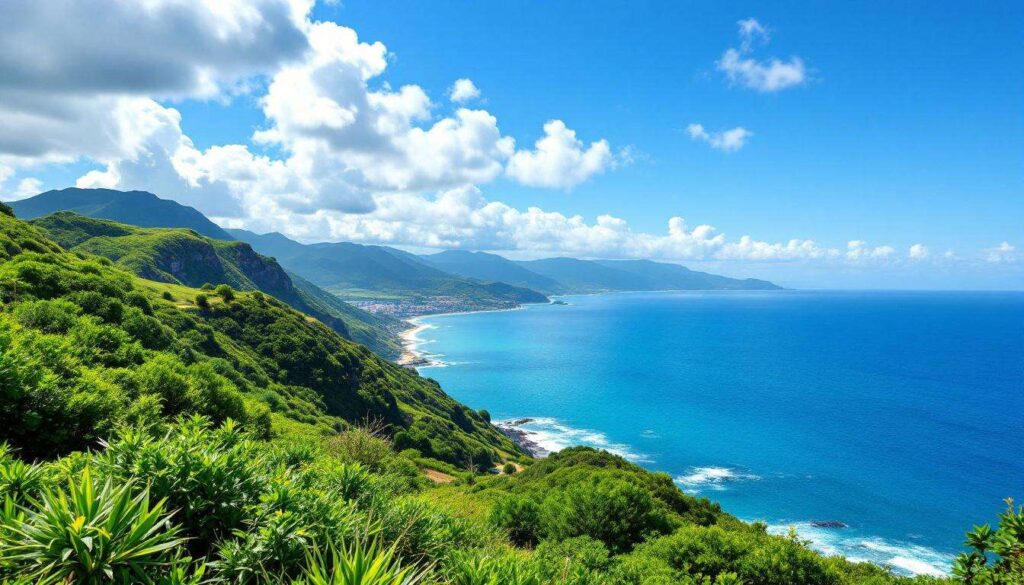
The Asturian coastline stretches for over 345 kilometres, offering an ever-changing panorama of rugged cliffs, secluded coves, and pristine beaches. Unlike the crowded shores of southern Spain, these beaches retain their natural charm, with many accessible only by foot through scenic coastal paths. Playa del Silencio, one of the region’s most iconic beaches, is surrounded by towering cliffs that create a natural amphitheatre, whilst Gulpiyuri Beach defies convention as an inland beach fed by seawater through underground tunnels.
Coastal towns worth exploring
The fishing villages dotting the coastline provide authentic glimpses into traditional Asturian life. Consider visiting:
- Cudillero: a picturesque village with brightly painted houses cascading down to a natural harbour
- Llanes: a charming town combining medieval architecture with stunning beaches
- Luarca: known as the ‘white town of the green coast’ for its distinctive whitewashed buildings
- Ribadesella: famous for its prehistoric cave paintings and annual canoe descent
The coastal paths connecting these settlements offer walkers the opportunity to experience the region’s maritime heritage whilst enjoying spectacular ocean views. This rugged coastline serves as the perfect gateway to the mountainous interior that defines Asturias.
Hiking in the heart of the Picos de Europa mountains
Spain’s first national park
The Picos de Europa National Park, established in 1918, represents one of Spain’s most spectacular mountain ranges. Rising dramatically just 20 kilometres from the coast, these limestone peaks reach heights of over 2,600 metres, creating a landscape of deep gorges, alpine meadows, and glacial lakes. The park spans three provinces, with Asturias claiming the largest portion of this natural wonder.
Trails for every ability level
The network of hiking trails caters to everyone from casual walkers to experienced mountaineers. The Ruta del Cares, carved into the rock face above the Cares River, offers one of Spain’s most dramatic gorge walks, whilst the ascent to the Lagos de Covadonga provides stunning views of glacial lakes set against mountain peaks. For those seeking more challenging terrain, the climb to Naranjo de Bulnes, the iconic limestone tower that has become the symbol of Asturian mountaineering, tests even experienced climbers.
| Trail name | Distance | Difficulty | Duration |
|---|---|---|---|
| Ruta del Cares | 12 km | Moderate | 4-5 hours |
| Lagos de Covadonga | 8 km | Easy-Moderate | 3 hours |
| Naranjo de Bulnes base | 14 km | Challenging | 6-7 hours |
Beyond the physical landscapes, the mountains hold deep cultural significance that extends throughout the region.
Immerse yourself in Asturian rich culture and history
Pre-Romanesque architectural treasures
Asturias boasts a unique architectural heritage dating back to the 9th century. The pre-Romanesque churches scattered across the region represent a distinctive style found nowhere else in Europe. Santa María del Naranco, originally built as a royal palace, and San Miguel de Lillo showcase the sophistication of the Kingdom of Asturias, which played a crucial role in preserving Christian culture during the Moorish occupation of the Iberian Peninsula.
Living traditions and festivals
The region maintains vibrant traditions that connect modern Asturians to their ancestors. The gaita, Asturias’s distinctive bagpipe, features prominently in festivals throughout the year, whilst traditional cider houses preserve centuries-old pouring techniques. The Fiesta de la Sidra Natural in Gijón and the Descenso Internacional del Sella draw thousands of participants annually, celebrating the region’s cultural identity through music, dance, and communal celebration.
These cultural experiences are perfectly complemented by the region’s exceptional culinary offerings.
Culinary delights: taste the local gastronomy
Fabada and traditional dishes
Asturian cuisine centres on hearty, flavourful dishes that reflect the region’s agricultural heritage. Fabada Asturiana, a rich bean stew featuring chorizo, morcilla, and pork, stands as the region’s signature dish. Other specialities include cachopo (breaded veal stuffed with ham and cheese), caldereta (fish stew), and an extraordinary variety of artisanal cheeses, with over 40 distinct varieties produced in the region.
The cider culture
No visit to Asturias is complete without experiencing its cider culture. The region produces sidra natural, a still cider poured from height to aerate the drink before consumption. Traditional cider houses, known as sidrerías, serve this beverage alongside local dishes in a convivial atmosphere that encourages sharing and conversation. The ritual of pouring and drinking cider represents an essential aspect of Asturian social life.
The same natural environment that produces these culinary treasures also provides countless opportunities for outdoor adventure.
Outdoor activities for nature lovers
Water sports and coastal activities
The Asturian coast offers excellent conditions for various water sports. Surfing enthusiasts flock to beaches like Rodiles and Tapia de Casariego, where consistent Atlantic swells create ideal waves. Kayaking along the coast reveals hidden caves and secluded beaches inaccessible by land, whilst the rivers flowing from the mountains provide thrilling white-water rafting experiences, particularly on the Sella and Cares rivers.
Wildlife watching opportunities
The diverse ecosystems support remarkable wildlife populations. The region hosts:
- Brown bears in the western mountain ranges
- Cantabrian chamois on rocky peaks
- Golden eagles soaring above mountain valleys
- Dolphins and whales visible from coastal viewpoints
- Wolves in remote forested areas
Organised wildlife watching tours led by local experts increase the chances of encountering these species whilst ensuring minimal disturbance to their natural habitats. These encounters with nature feel even more authentic when experienced within the region’s traditional villages.
Picturesque villages and authentic traditions
Mountain hamlets frozen in time
The mountain villages of Asturias preserve architectural styles and ways of life that have disappeared elsewhere in Europe. Hórreos, traditional granaries raised on stone pillars, dot the landscape around settlements like Taramundi and Teverga. These villages maintain traditional crafts including knife-making, basket-weaving, and textile production, with artisans happy to demonstrate their skills to interested visitors.
Rural tourism experiences
The growth of turismo rural allows visitors to stay in restored traditional houses, participating in daily activities such as cheese-making, shepherding, and cider production. These experiences provide genuine insights into rural Asturian life whilst supporting local economies. Many villages organise seasonal festivals celebrating harvests, patron saints, and historical events, offering visitors the chance to witness traditions passed down through generations.
From the windswept Atlantic coast to the soaring peaks of the Picos de Europa, Asturias offers a depth of experiences rarely found in such a compact area. The region’s commitment to preserving its natural landscapes, cultural heritage, and culinary traditions makes it an increasingly attractive destination for travellers seeking authenticity and tranquillity. Whether exploring coastal paths, ascending mountain trails, savouring local delicacies, or immersing yourself in village life, Asturias rewards those who venture beyond Spain’s more famous regions with unforgettable memories and a profound connection to a land where mountains meet the ocean.