

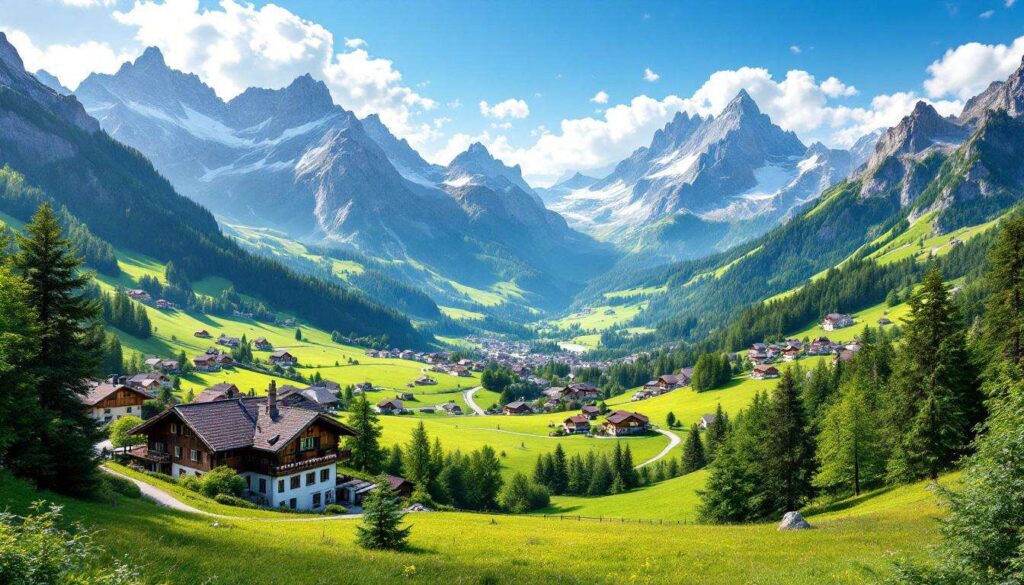
The Swiss Alps have long captivated travellers with their snow-capped peaks, pristine lakes and charming villages. Yet the eye-watering prices often put this dream destination out of reach for many. For those seeking the same alpine beauty without the hefty price tag, the Carpathian Mountains in Romania present a compelling alternative. This lesser-known European region delivers spectacular mountain scenery, excellent outdoor pursuits and authentic cultural experiences at a fraction of Swiss costs.
An affordable alternative to the Swiss Alps: head to Eastern Europe
Romania’s Carpathian Mountains stretch across the heart of the country, offering dramatic landscapes that rival their Swiss counterparts. The Transylvania region, in particular, showcases towering peaks, verdant valleys and medieval towns that seem frozen in time. Unlike Switzerland, where a simple coffee can cost upwards of £5, Romanian mountain resorts maintain remarkably accessible pricing structures.
Cost comparison: Switzerland versus Romania
| Expense | Switzerland (CHF/£) | Romania (RON/£) |
|---|---|---|
| Daily ski pass | £60-80 | £20-30 |
| Mid-range hotel (per night) | £120-180 | £35-60 |
| Restaurant meal | £25-40 | £8-15 |
| Cable car return ticket | £35-50 | £10-18 |
Key mountain destinations in the Romanian Carpathians
Several Romanian mountain towns provide exceptional value whilst delivering authentic alpine experiences. Brașov serves as an ideal base for exploring the surrounding peaks, with its Gothic architecture and proximity to numerous hiking trails. Sinaia, often called the “Pearl of the Carpathians”, features the stunning Peleș Castle and access to excellent skiing facilities.
- Brașov: medieval charm with modern amenities
- Sinaia: royal heritage and premier ski slopes
- Poiana Brașov: purpose-built ski resort with competitive pricing
- Bran: famous castle and mountain hiking opportunities
- Zărnești: gateway to Piatra Craiului National Park
The savings extend beyond accommodation and dining. Transport costs within Romania remain remarkably low, with train journeys between mountain towns costing mere pounds rather than the premium fares charged by Swiss railways. This affordability allows travellers to explore multiple destinations without financial strain, creating a richer and more varied mountain experience.
Scenic landscapes and outdoor activities on a budget
The Carpathian Mountains deliver breathtaking natural beauty across diverse terrains. From the limestone formations of Piatra Craiului to the glacial lakes of Retezat National Park, the region showcases geological wonders that match Swiss grandeur. The Transfăgărășan Highway, often cited as one of the world’s most spectacular roads, winds through mountain passes offering panoramic vistas at no cost beyond fuel.
Winter sports without the premium pricing
Romanian ski resorts provide excellent facilities at prices that seem almost unbelievable to those accustomed to Alpine rates. Poiana Brașov features modern lifts, well-maintained pistes and snow-making equipment ensuring reliable conditions throughout the season. Equipment hire costs approximately £15 per day, whilst ski schools offer instruction at similarly competitive rates. The absence of crowds means shorter lift queues and more time actually skiing rather than waiting.
Summer hiking and outdoor pursuits
When snow melts, the Carpathians transform into a hiker’s paradise. Marked trails range from gentle valley walks to challenging multi-day treks across high ridges. National parks charge minimal entrance fees, if any, and mountain refuges offer overnight accommodation for around £10-15 per person. Wildlife enthusiasts can spot brown bears, lynx and chamois in their natural habitat, particularly in the Piatra Craiului and Făgăraș ranges.
- Via ferrata routes for adventure seekers
- Mountain biking trails through forests and meadows
- Rock climbing on limestone cliffs
- Paragliding from mountain peaks
- Wildlife watching tours
Beyond traditional mountain activities, the region offers unique experiences such as exploring cave systems and visiting shepherd communities maintaining centuries-old traditions. These authentic encounters provide cultural depth often missing from more commercialised Swiss resorts, enriching the overall mountain experience whilst maintaining budget-friendly pricing.
Gastronomy and accommodation: the best value for money
Romanian mountain cuisine delivers hearty, flavourful dishes that satisfy after active days outdoors. Traditional meals feature locally sourced ingredients, with prices that allow travellers to dine well without financial worry. A substantial meal of ciorbă (sour soup), sarmale (stuffed cabbage rolls) and mămăligă (polenta) typically costs under £10 in family-run restaurants.
Accommodation options for every budget
The range of lodging in Romanian mountain towns caters to all preferences and budgets. Guesthouses operated by local families offer warm hospitality and home-cooked breakfasts for £20-30 per night. Mid-range hotels provide modern comforts at prices Swiss travellers would associate with hostel dormitories. Even luxury options, including spa hotels and boutique properties, remain significantly more affordable than their Alpine equivalents.
| Accommodation type | Average nightly rate | Typical amenities |
|---|---|---|
| Guesthouse/pensiune | £20-35 | Breakfast, local hospitality, traditional décor |
| Three-star hotel | £35-55 | En-suite facilities, restaurant, parking |
| Four-star hotel | £55-85 | Spa facilities, fine dining, mountain views |
| Mountain cabin/refuge | £10-20 | Basic shelter, shared facilities, authentic experience |
Local culinary specialties worth trying
Mountain gastronomy in Romania centres on substantial, warming dishes that have sustained rural communities through harsh winters. Restaurants and guesthouses take pride in preparing traditional recipes using time-honoured methods. The affordability means travellers can sample multiple regional specialties without budget concerns.
- Ciorbă de burtă: tripe soup with garlic and cream
- Mici: grilled meat rolls with mustard
- Papanași: fried doughnuts with sour cream and jam
- Tocană: slow-cooked meat stew
- Brânză de burduf: traditional sheep’s cheese
Local markets in mountain towns offer fresh produce, artisanal cheeses and cured meats at remarkably low prices, enabling self-catering travellers to prepare meals for a fraction of restaurant costs. This flexibility, combined with the quality of ingredients, enhances the overall value proposition of a Carpathian mountain holiday.
Discovering cultural heritage amidst the mountains
The Romanian Carpathians harbour extraordinary cultural treasures that add historical depth to mountain visits. Fortified churches, painted monasteries and medieval castles dot the landscape, many dating back centuries. Unlike Swiss heritage sites with substantial entrance fees, Romanian monuments typically charge £3-5 for admission, making cultural exploration accessible to all budgets.
Architectural gems in mountain settings
Peleș Castle in Sinaia represents European royal architecture at its finest, with ornate interiors showcasing craftsmanship from across the continent. Bran Castle, associated with Dracula legends, combines Gothic atmosphere with genuine medieval history. These landmarks provide context to the region’s complex past whilst offering spectacular mountain backdrops for photography enthusiasts.
Living traditions and rural culture
Remote mountain villages maintain traditional ways of life largely unchanged for generations. Visitors can observe shepherds practising transhumance, moving flocks between seasonal pastures, and artisans creating wooden crafts using ancestral techniques. These authentic encounters offer insights into rural European culture increasingly rare in more developed Alpine regions.
- Wooden churches with distinctive architecture
- Traditional festivals celebrating seasonal cycles
- Craft workshops producing textiles and pottery
- Folk music performances in village settings
- Agricultural practices using historical methods
The painted monasteries of Bucovina, whilst slightly north of the main Carpathian range, merit inclusion in any culturally focused mountain itinerary. These UNESCO World Heritage sites feature exterior frescoes that have survived centuries of weather, depicting biblical scenes in vivid colours. The combination of artistic significance and mountain scenery creates a unique cultural experience unavailable in Switzerland.
Practical tips for a successful and economical stay
Planning a Romanian mountain holiday requires different considerations than a Swiss trip, but the effort yields substantial financial rewards. Direct flights connect major European cities to Bucharest, with budget carriers offering competitive fares. From the capital, trains or rental cars provide access to mountain regions, with the latter offering greater flexibility for exploring remote areas.
Best times to visit for value and conditions
Timing significantly impacts both costs and experiences. The ski season runs from December through March, with January and February offering the most reliable snow conditions. Summer months from June to September provide ideal hiking weather, whilst May and October deliver pleasant conditions with fewer visitors and lower accommodation rates.
Essential preparations and money-saving strategies
While Romania uses the leu rather than the euro, ATMs are widely available in mountain towns. Credit cards are accepted in hotels and larger restaurants, though smaller establishments and mountain refuges operate on a cash-only basis. Withdrawing larger amounts less frequently minimises transaction fees.
- Book accommodation directly with properties for better rates
- Use local transport rather than tourist-oriented services
- Shop at markets for picnic supplies and snacks
- Consider visiting during shoulder seasons for optimal pricing
- Learn basic Romanian phrases to enhance local interactions
Mobile phone coverage extends to most mountain areas, though remote hiking trails may lack signal. Downloading offline maps before departing ensures navigation capability regardless of connectivity. Travel insurance remains essential, particularly for winter sports or challenging hiking, with policies specifically covering mountain activities recommended.
Testimonials from travellers captivated by this undiscovered region
Visitors to the Romanian Carpathians consistently express pleasant surprise at the quality of experiences relative to costs. Sarah Thompson from Manchester noted that her week-long ski holiday cost less than a long weekend in the Swiss Alps, whilst offering comparable slopes and superior cultural experiences. The absence of crowds enhanced her enjoyment, allowing genuine relaxation rather than constant jostling with other tourists.
Experiences that exceeded expectations
James and Claire Patterson, who have skied extensively across the Alps, found Romanian resorts refreshingly authentic. They appreciated the lack of commercialisation and the genuine warmth of local hospitality. Their accommodation in a family-run guesthouse provided insights into Romanian culture impossible to gain in corporate hotel chains.
Adventure traveller Marco Benedetti praised the hiking opportunities, noting that trails in Piatra Craiului National Park rivalled anything he had experienced in Switzerland or Austria. The wildlife encounters, particularly spotting bears from a safe distance, added excitement absent from more developed Alpine regions. His total costs for a ten-day hiking trip came to approximately what he would have spent on three days in the Swiss Alps.
- Exceptional value across all expense categories
- Authentic cultural experiences with local communities
- Less crowded trails and ski slopes
- Diverse landscapes within compact geographical areas
- Warm hospitality from mountain communities
The Romanian Carpathians offer a compelling proposition for mountain enthusiasts seeking alpine experiences without premium pricing. This Eastern European region delivers spectacular scenery, excellent outdoor activities, rich cultural heritage and authentic gastronomy at costs that make extended holidays feasible for budget-conscious travellers. Whilst Switzerland retains its prestige and polish, Romania provides genuine mountain magic accessible to those previously priced out of Alpine adventures.