

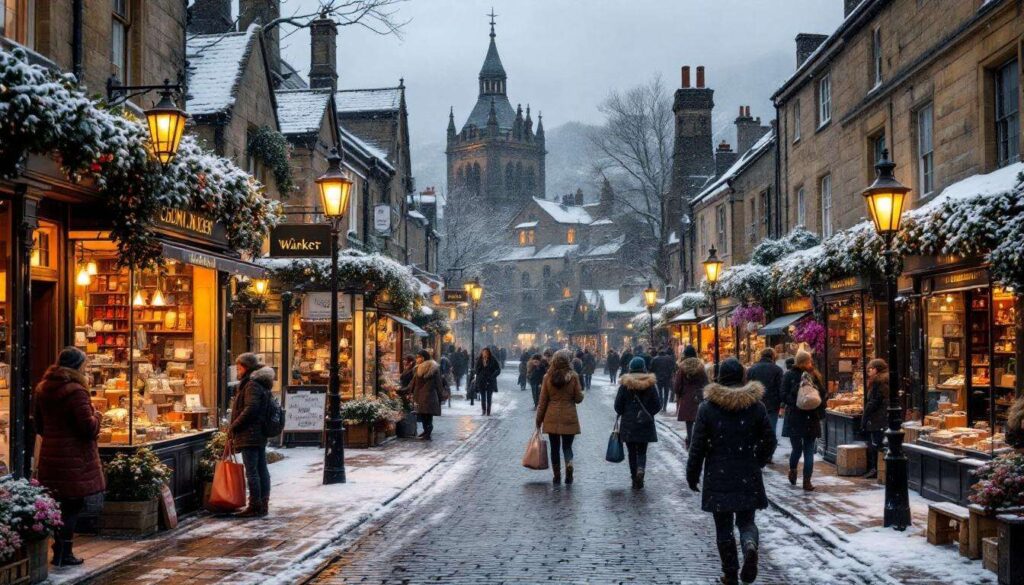
The Peak District offers a compelling proposition for winter wanderers seeking respite from urban sprawl. Its market towns combine historical architecture with accessible countryside, creating destinations where cobbled streets meet moorland trails. These settlements retain their traditional market heritage whilst providing modern amenities, making them ideal bases for weekend exploration when frost transforms the landscape into something altogether more dramatic.
Discovering the Charms of Peak District Market Towns
Bakewell: The Gateway Town
Bakewell stands as the only market town within the National Park boundaries, positioned along the River Wye. Its Monday market has operated since 1254, maintaining commercial traditions across centuries. The town’s architecture reflects its prosperity during the Georgian period, with limestone buildings lining streets that climb from the medieval bridge.
Visitors discover authentic local commerce alongside tourist-oriented establishments:
- Traditional butchers selling Peak District lamb
- Independent bookshops specialising in walking guides
- Antique dealers occupying former coaching inns
- The original Bakewell Pudding shop maintaining its contested recipe
Buxton: Spa Town Elegance
Buxton’s thermal springs attracted Roman settlers, though its current character emerged during the 18th century when the Duke of Devonshire developed it as a spa resort. The Crescent, modelled on Bath’s Royal Crescent, anchors the town architecturally. Winter sees the Opera House hosting pantomimes and concerts, whilst St Ann’s Well continues dispensing its mineral water to those willing to brave its distinctive taste.
Matlock Bath: Victorian Seaside Atmosphere
This peculiar settlement clings to limestone cliffs above the River Derwent, resembling a landlocked seaside resort complete with fish and chip shops. The Heights of Abraham cable car operates year-round, offering dramatic winter perspectives across the gorge. Though quieter in winter, the town retains its character, with illuminations decorating the promenade during specific winter weekends.
These established towns provide the foundation for exploring smaller settlements that dot the region, each offering distinct character shaped by geology and industry.
How to Prepare Perfectly for Your Winter Weekend in the Peak District
Essential Winter Clothing and Equipment
Peak District weather demands layered preparation even for market town visits. Temperatures drop significantly as elevation increases, whilst wind chill factors transform moderate conditions into challenging ones. Waterproof outer layers prove essential regardless of forecast optimism.
| Item | Purpose | Priority |
|---|---|---|
| Waterproof jacket | Protection from rain and wind | Essential |
| Walking boots | Ankle support and grip | Essential |
| Thermal base layers | Temperature regulation | Recommended |
| Hat and gloves | Extremity protection | Essential |
Transport and Accessibility Considerations
Car ownership simplifies Peak District exploration, though public transport serves major towns adequately. Train services reach Buxton, Matlock and stations along the Hope Valley line. Bus services connect smaller settlements, though winter timetables reduce frequency. Parking in market towns becomes competitive during weekends, requiring early arrival or willingness to walk from peripheral car parks.
Booking Accommodation and Activities
Winter weekends attract fewer visitors than summer, yet quality accommodation fills rapidly. Independent guesthouses and country pubs offer character absent from chain establishments. Booking restaurants proves advisable, particularly in smaller towns where dining options remain limited. Many attractions reduce winter opening hours, necessitating advance research to avoid disappointment.
With preparation complete, attention turns to the walking opportunities that justify visiting these market towns during colder months.
Must-Do Hikes and Walks in Market Towns
Castleton’s Cave and Ridge Circuits
Castleton sits beneath Mam Tor, the shivering mountain whose unstable shale layers create perpetual landslips. The town provides access to four show caves, though Peveril Castle rewards the climb with commanding views across Hope Valley. Winter walking here requires caution on limestone paths that become treacherous when wet.
- Cave Dale: a dramatic limestone gorge departing directly from the village square
- Winnats Pass: a steep road through towering rock formations
- Mam Tor ridge: exposed walking with 360-degree panoramas
- Lose Hill: gentler ascent offering Hope Valley perspectives
Riverside Rambles from Bakewell
The Monsal Trail follows a disused railway line through viaducts and tunnels, providing level walking suitable for winter conditions. The trail connects Bakewell to Buxton via spectacular limestone scenery, with access points allowing shorter sections. Riverside paths follow the Wye through Bakewell, passing weirs and historic mills.
Tideswell and the White Peak Plateau
Tideswell, known as the Cathedral of the Peak for its disproportionately grand church, sits amid limestone plateau country. Field patterns here date to medieval enclosures, creating distinctive landscapes crossed by dry stone walls. Circular walks explore this gentler terrain, passing through villages like Litton and Cressbrook.
Physical exertion naturally leads to appetite, which these market towns satisfy through distinctive local specialities.
Local Gastronomy Not to Miss During Winter
Traditional Peak District Fare
Regional cuisine reflects agricultural heritage and historical necessity. Bakewell pudding remains the most famous export, though locals distinguish it firmly from Bakewell tart. The pudding features a flaky pastry base with jam and almond-flavoured filling, served warm. Oatcakes, different from Scottish versions, resemble savoury pancakes, traditionally eaten with cheese.
Seasonal Specialities and Warming Dishes
Winter menus emphasise locally sourced game and lamb. Pubs serve substantial portions designed for walkers who have spent hours battling Peak District elements:
- Venison casseroles with root vegetables
- Steak and ale pies using local brewery products
- Lamb hotpot with pearl barley
- Cheese platters featuring Hartington Stilton
Cafés and Tearooms for Afternoon Respite
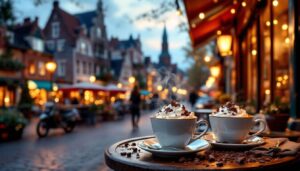
Market towns maintain strong tearoom traditions. Establishments range from National Trust properties serving cream teas to independent cafés offering homemade cakes. Buxton’s Victorian tearooms provide period atmosphere, whilst Bakewell’s establishments compete over pudding authenticity. Hot chocolate and mulled beverages appear on winter menus, providing warming alternatives to standard tea and coffee.
Beyond culinary experiences, these towns offer cultural depth that enriches winter visits considerably.
Cultural and Historical Activities to Explore in Winter
Museums and Heritage Centres
The Peak District’s industrial archaeology receives thorough documentation in local museums. Buxton Museum and Art Gallery explores the town’s spa heritage alongside geological displays. Matlock Bath’s mining museum demonstrates lead extraction techniques that shaped settlement patterns. These indoor attractions provide weather-proof alternatives when conditions deteriorate.
Historic Houses and Gardens
Chatsworth House, though not within a market town, lies close to Bakewell and maintains winter opening. The house displays elaborate Christmas decorations during December, transforming state rooms into seasonal spectacles. Haddon Hall, a medieval manor house, offers atmospheric winter visits with reduced crowds allowing proper appreciation of its architecture.
Churches and Ecclesiastical Architecture
Market town churches reflect centuries of prosperity and faith:
- Tideswell’s St John the Baptist: 14th-century perpendicular Gothic architecture
- Bakewell’s All Saints: Saxon crosses and Vernon family monuments
- Castleton’s St Edmund’s: Norman origins with later additions
These buildings remain active parishes, often hosting winter concerts and carol services that welcome visitors.
After cultural exploration, thoughts turn naturally towards comfortable accommodation and evening relaxation.
Relaxation and Welcoming Lodgings for a Pleasant Winter Stay
Traditional Inns and Country Pubs
Coaching inns converted to accommodation retain original features whilst providing modern comfort. Rooms above pubs offer convenience and atmosphere, with dining literally downstairs. Open fires, real ales and local conversation create authentic experiences. The Bull’s Head in Ashford-in-the-Water and The George at Castleton exemplify this category.
Boutique Guesthouses and B&Bs
Independent guesthouses provide personalised service and local knowledge. Owners typically live on-site, offering recommendations refined through years of guest feedback. Breakfasts feature local produce, with vegetarian and dietary requirements accommodated. These establishments occupy Georgian townhouses and converted farmhouses, adding architectural interest to practical comfort.
Spa Facilities and Wellness Options
Buxton’s spa heritage continues through modern wellness facilities. The Buxton Crescent reopened as a hotel and spa, offering thermal bathing experiences. Smaller establishments provide treatments suited to post-walking recovery, including sports massages and aromatherapy sessions. Some country house hotels incorporate spa facilities, combining rural settings with pampering options.
The Peak District’s market towns deliver concentrated experiences where walking, eating and cultural exploration occur within compact, navigable settlements. Winter visits avoid summer crowds whilst revealing landscapes transformed by frost and occasional snow. These eight towns, each maintaining distinct character shaped by geology, industry and geography, provide accessible weekend destinations requiring minimal planning yet offering substantial reward. Their combination of outdoor access and indoor comfort creates ideal conditions for seasonal breaks when shorter days and colder temperatures make extended wilderness expeditions less appealing. The infrastructure supporting tourism operates year-round, ensuring visitors find open establishments and welcoming communities regardless of season.