



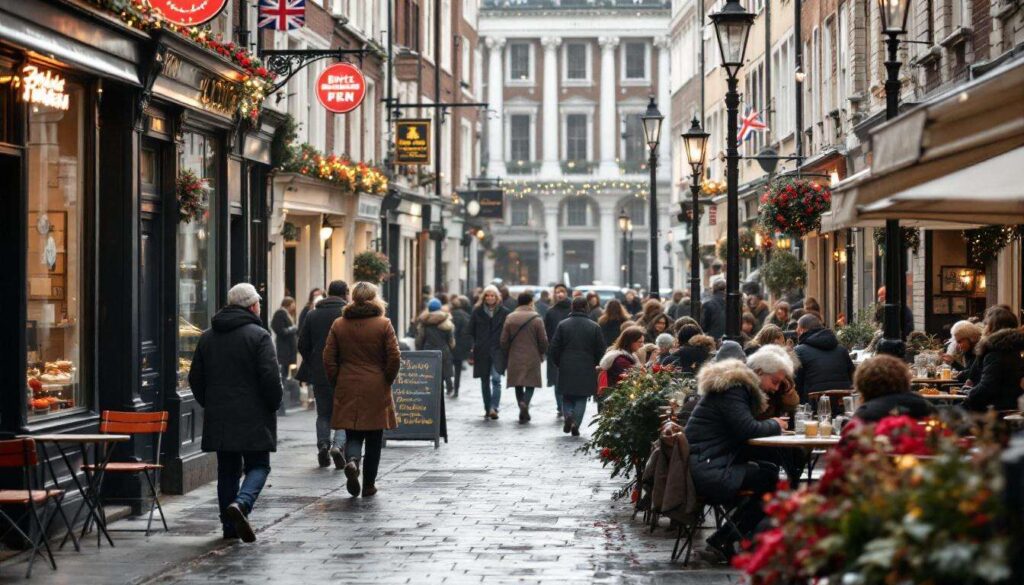
British holidaymakers are increasingly abandoning traditional peak season travel in favour of quieter, more affordable periods. February, once considered a dead zone for tourism, has emerged as a surprisingly popular month for getaways. The shift reflects changing attitudes towards travel, with more people prioritising value, authenticity and flexibility over conventional summer holidays. As airlines expand their winter schedules and destinations adapt to year-round tourism, February is proving that shoulder season might just be the smartest time to explore the world.
The advantages of travelling in February
Fewer crowds at major attractions
One of the most compelling reasons to travel in February is the dramatic reduction in tourist numbers. Popular landmarks that would typically require hours of queuing become accessible and enjoyable. Museums, galleries and historical sites offer a more intimate experience when visitor numbers drop, allowing travellers to appreciate art and architecture without jostling for position or rushing through exhibits.
Lower accommodation costs
Hotels and holiday rentals typically slash their prices during February to attract guests during the quieter period. The savings can be substantial, with some properties offering rates 30 to 50 per cent lower than peak season prices. This price difference enables travellers to:
- Upgrade to superior room categories within their original budget
- Extend their stay by several additional nights
- Allocate more funds towards experiences and dining
- Book properties that would normally be financially out of reach
More authentic cultural interactions
When destinations aren’t overwhelmed by tourists, locals have more time and inclination to engage with visitors. Restaurants cater to residents rather than tour groups, shopkeepers are less rushed, and the genuine character of a place shines through. This authenticity creates memorable encounters that simply aren’t possible when a destination is operating in full tourist mode.
These practical benefits naturally lead to broader questions about what’s driving this shift in British travel patterns.
Why February is becoming attractive to British travellers
Escaping the British winter blues
February represents the psychological low point of the British winter. The festive season feels distant, spring remains weeks away, and grey skies dominate. A mid-winter break provides much-needed respite from the cold and darkness, boosting mental wellbeing during what many consider the most challenging month of the year.
Flexible working arrangements
The widespread adoption of remote and hybrid working has fundamentally altered when people can travel. Many Brits no longer need to coordinate holidays around school terms or rigid office schedules. This newfound flexibility means February travel is feasible for a much larger segment of the population than previously possible.
Better value for money
Economic pressures have made British consumers more price-conscious about their holiday spending. February offers the opportunity to experience destinations that might be unaffordable during summer months. The same budget that would cover a week in Spain in August can fund a considerably more luxurious fortnight in February, complete with upgrades and experiences that would otherwise be prohibitive.
This growing interest in February travel reflects wider changes in how and when people choose to take holidays.
Off-season travel trends
The rise of the digital nomad lifestyle
An increasing number of British workers are embracing location independence, working remotely from various destinations throughout the year. February represents an ideal time for this cohort to establish themselves in warmer climates whilst maintaining their professional responsibilities. Co-working spaces in popular destinations report significant increases in occupancy during traditionally quiet months.
Multi-generational travel without school constraints
Retired grandparents travelling with adult children who don’t have school-age kids represent a growing market segment. These groups actively seek to avoid school holiday periods, finding February particularly appealing for family gatherings in sunnier locations. The combination of lower costs and reduced crowds makes coordinating these trips far more practical.
Wellness and retreat tourism
February has become prime season for wellness retreats, yoga holidays and detox programmes. After the excesses of the festive period, many Brits seek restorative experiences that focus on health and mindfulness. Destinations specialising in wellness tourism actively market February packages that emphasise renewal and rejuvenation at more accessible price points.
Understanding these trends helps explain the tangible benefits travellers experience when choosing February departures.
Savings and unique experiences in the low season
Flight pricing advantages
Airlines adjust their pricing algorithms based on demand, and February consistently shows lower fares across most routes. Budget carriers frequently offer promotional sales during this period to fill seats, whilst legacy airlines reduce business class fares substantially. Savvy travellers monitoring prices can secure remarkable deals, particularly for mid-week departures.
| Route | August Average Price | February Average Price | Potential Saving |
|---|---|---|---|
| London to Barcelona | £180 | £65 | £115 (64%) |
| Manchester to Rome | £210 | £75 | £135 (64%) |
| Edinburgh to Lisbon | £195 | £70 | £125 (64%) |
Exclusive access to seasonal events
February offers unique cultural experiences unavailable during peak season. Venice Carnival, Nice Carnival and numerous winter festivals provide authentic local celebrations that aren’t designed primarily for tourists. These events showcase traditions and artistry that give travellers genuine insight into regional culture.
Personalised service from tourism providers
Tour operators, guides and activity providers have more availability during February, enabling them to offer more personalised attention to clients. Small group tours often run with fewer participants, creating a more intimate and flexible experience. Restaurants can accommodate special requests more easily, and hotel staff have time to provide recommendations and assistance that enhances the overall trip quality.
With these advantages in mind, certain destinations particularly excel as February getaway options.
Popular destinations in February
Canary Islands: reliable winter sunshine
The Canary Islands offer consistent warm weather throughout February, with temperatures typically ranging between 18 and 22 degrees Celsius. Tenerife, Lanzarote and Gran Canaria provide excellent beach conditions, hiking opportunities and vibrant local culture without the summer crowds. The islands’ proximity to the UK makes them ideal for short breaks or extended stays.
Morocco: cultural richness in comfortable temperatures
February represents perfect weather for exploring Moroccan cities like Marrakech, Fes and Essaouira. Daytime temperatures hover around 20 degrees, ideal for wandering medinas, visiting historical sites and enjoying outdoor dining. The Atlas Mountains offer stunning scenery without extreme heat, whilst coastal towns provide refreshing sea breezes.
Portugal: off-season charm and affordability
Lisbon, Porto and the Algarve become significantly more affordable and accessible in February. Whilst swimming might be brisk, the weather remains pleasant for sightseeing, with fewer tourists allowing for a more authentic Portuguese experience. Wine regions welcome visitors with unhurried tastings, and restaurants showcase seasonal specialities.
Dubai and the Middle East: peak season alternatives
For those seeking guaranteed sunshine and luxury, Dubai and Abu Dhabi offer impeccable weather in February. Temperatures sit comfortably in the mid-twenties, perfect for beach days and outdoor activities. Whilst these destinations maintain popularity year-round, February offers slightly better value than the peak December and January period.
Successfully planning a February trip requires consideration of several practical factors.
Planning a February trip: practical tips
Booking strategies for maximum savings
To secure the best February deals, travellers should monitor prices from late autumn onwards. Many airlines release their lowest fares approximately three to four months in advance. Setting up price alerts through comparison websites ensures notification when fares drop. Flexibility with exact dates can yield significant savings, as mid-week departures typically cost considerably less than weekend flights.
Weather considerations and packing essentials
February weather varies dramatically depending on destination. Mediterranean locations require layers, as mornings can be cool whilst afternoons warm up pleasantly. Essential items include:
- A lightweight waterproof jacket for unexpected showers
- Comfortable walking shoes suitable for varied terrain
- Sunscreen and sunglasses for southern destinations
- A versatile scarf or wrap for temperature fluctuations
Travel insurance and health precautions
Comprehensive travel insurance remains essential regardless of season. February travellers should ensure their policy covers potential weather-related disruptions, as winter storms can occasionally affect flights. Checking destination-specific health requirements and ensuring routine vaccinations are current provides peace of mind and prevents complications.
Researching opening hours and seasonal closures
Some attractions, restaurants and hotels in seasonal destinations reduce their operating hours or close entirely during February. Researching ahead prevents disappointment and allows for alternative planning. Contacting accommodations directly often yields helpful information about what’s available locally during the intended travel dates.
February travel represents a strategic choice for British holidaymakers seeking value, authenticity and comfort. The combination of reduced costs, fewer crowds and pleasant weather in carefully selected destinations makes this formerly quiet month increasingly attractive. As flexible working arrangements become normalised and travellers prioritise experiences over traditional peak season conformity, February’s status as a prime travel period looks set to strengthen. The shoulder season has evolved from a compromise into a preference, offering discerning travellers the opportunity to explore the world on their own terms whilst enjoying tangible financial and experiential benefits.