



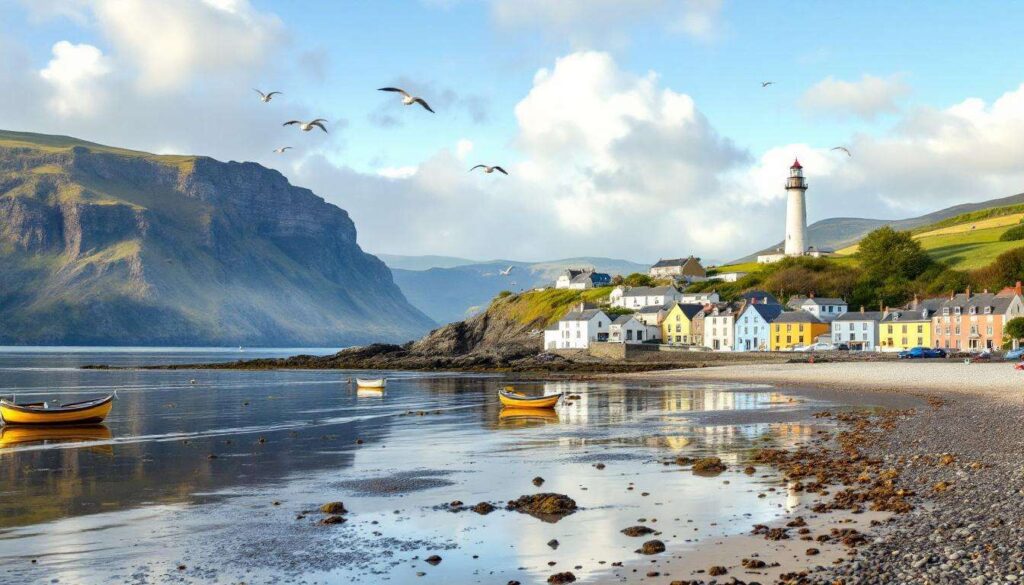
Wales boasts some of Britain’s most enchanting coastal scenery, where rugged cliffs meet sandy beaches and historic harbours nestle beneath medieval fortifications. From pastel-painted Georgian towns to Victorian seaside resorts, the Welsh coastline offers a remarkable diversity of destinations within easy reach for a weekend escape. These eight coastal towns combine natural beauty with rich heritage, providing visitors with memorable experiences whether they seek relaxation, adventure, or cultural immersion. Each location presents its own distinctive character, from bustling promenades to tranquil fishing villages, making Wales an ideal destination for those craving seaside charm without venturing far from home.
Discovering Tenby: a medieval gem on the Welsh coast
The enchanting walled town
Tenby stands as one of Wales’s most visually striking coastal destinations, where medieval walls encircle a town of pastel-coloured houses perched above golden beaches. The town’s 13th-century fortifications remain remarkably intact, creating an atmospheric backdrop for exploration. Visitors can walk along the ancient walls, gaining spectacular views across Carmarthen Bay whilst imagining the town’s strategic importance throughout history.
The harbour area presents a picturesque scene where fishing boats bob alongside pleasure craft, and the surrounding streets feature independent shops, galleries, and traditional pubs. The town’s architecture reflects centuries of prosperity, with Georgian and Victorian buildings complementing the medieval core.
Beaches and coastal attractions
Tenby offers access to several exceptional beaches within walking distance of the town centre:
- North Beach: a long stretch of golden sand ideal for families
- Castle Beach: nestled beneath the town walls with rock pools to explore
- South Beach: backed by colourful beach huts and offering views to Caldey Island
Boat trips to Caldey Island depart regularly during summer months, allowing visitors to explore the island’s monastery, beaches, and wildlife. The island’s resident monks produce perfume and chocolate, available for purchase at the island shop.
Beyond the beaches themselves, the surrounding coastline provides excellent opportunities for coastal walking, with the Pembrokeshire Coast Path offering dramatic clifftop scenery just minutes from the town centre.
Diving into the history of Conwy and its famous castle
UNESCO World Heritage magnificence
Conwy presents visitors with one of Europe’s finest examples of medieval military architecture, where Edward I’s imposing castle dominates the skyline. Constructed between 1283 and 1289, this UNESCO World Heritage Site features eight massive towers and remarkably complete town walls stretching over three-quarters of a mile.
The castle’s interior reveals the sophistication of medieval royal accommodation, with the King’s apartments offering insights into 13th-century court life. Climbing the towers rewards visitors with panoramic views across the estuary, mountains, and the town’s rooftops.
Historic town and waterfront
Within the town walls, Conwy maintains its medieval street pattern, with narrow lanes leading to hidden courtyards and historic buildings. Plas Mawr, a magnificent Elizabethan townhouse, stands as one of Britain’s finest surviving examples of its period, featuring elaborate plasterwork and original decoration.
| Historic attraction | Period | Key feature |
|---|---|---|
| Conwy Castle | 13th century | Eight towers, royal apartments |
| Town walls | 1283-1287 | 21 towers, three gateways |
| Plas Mawr | 1576-1585 | Elizabethan plasterwork |
| Smallest house | 16th century | Britain’s smallest house |
The quayside area combines historic charm with modern amenities, featuring restaurants, galleries, and the smallest house in Great Britain, a tiny red dwelling measuring just 3.05 metres by 1.8 metres. The harbour still functions as a working marina, maintaining Conwy’s connection to its maritime heritage whilst the surrounding estuary provides opportunities for wildlife watching and coastal walks.
Strolling in Aberaeron: colourful and picturesque
Georgian architecture and harbour charm
Aberaeron captivates visitors with its rainbow of pastel-painted Georgian houses arranged symmetrically around a purpose-built harbour. Established in 1807, this planned town reflects the vision of Reverend Alban Thomas Jones Gwynne, who created an elegant settlement based on classical principles of urban design.
The harbour remains the town’s focal point, where pleasure boats and fishing vessels create a constantly changing tableau against the colourful backdrop. The geometric street layout and harmonious architecture create an unusually cohesive townscape, making Aberaeron one of Wales’s most photographed destinations.
Culinary delights and local produce
Aberaeron has developed a reputation as a food destination, with several establishments showcasing local Welsh produce:
- Award-winning fish and chip shops serving fresh local catch
- Artisan ice cream parlours featuring traditional and innovative flavours
- Restaurants specialising in Cardigan Bay seafood
- Delicatessens offering Welsh cheeses, cured meats, and preserves
The town hosts regular food festivals celebrating regional specialities, whilst the weekly market brings producers from across Ceredigion to sell fresh vegetables, baked goods, and handcrafted items. Visitors can combine coastal walks along the Ceredigion Coast Path with culinary exploration, creating a perfect weekend itinerary that satisfies both appetite and wanderlust.
Exploring the pristine beaches of Llandudno
Victorian elegance meets natural beauty
Llandudno represents the quintessential Victorian seaside resort, where elegant promenades frame two magnificent beaches beneath the dramatic headland of Great Orme. The town’s development during the 19th century created a resort of unusual refinement, with wide streets, grand hotels, and ornate pier preserving the atmosphere of its heyday.
The North Shore beach stretches for two miles, offering safe swimming, traditional beach activities, and stunning views across Conwy Bay to Snowdonia. The Victorian pier extends 700 metres into the sea, featuring amusements, cafés, and entertainment whilst maintaining its historic character through careful restoration.
Great Orme and outdoor adventures
The Great Orme headland provides exceptional opportunities for exploration and wildlife observation. Visitors can reach the summit via several methods:
- Victorian tramway: Britain’s only cable-hauled street tramway
- Cabin lift: offering panoramic views during the ascent
- Walking paths: various routes through diverse habitats
- Marine Drive: a scenic toll road circling the headland
The summit reveals Bronze Age copper mines, the largest prehistoric mines yet discovered, alongside a visitor centre and country park. Wild Kashmiri goats roam freely across the headland, whilst the limestone grassland supports rare butterflies and wildflowers. The views encompass the Snowdonia mountains, Anglesey, and on clear days, the Lake District and Isle of Man.
A tranquil escape to Porthmadog and its breathtaking landscapes
Gateway to Snowdonia’s coastal wonders
Porthmadog occupies a strategic position where mountains meet sea, providing access to some of North Wales’s most spectacular scenery. The town developed during the 19th century as a slate-exporting port, with the harbour and historic buildings reflecting this industrial heritage whilst the surrounding landscape offers remarkable natural beauty.
The Glaslyn Estuary creates a constantly changing environment where tidal patterns reveal sandbanks and channels, attracting wading birds and creating dramatic light effects. The Cob, a mile-long embankment constructed to reclaim land from the sea, carries both road and the narrow-gauge Ffestiniog Railway across the estuary, offering spectacular views throughout the crossing.
Heritage railways and mountain scenery
Porthmadog serves as the terminus for two historic narrow-gauge railways that provide scenic journeys through remarkable landscapes:
| Railway | Destination | Journey highlights |
|---|---|---|
| Ffestiniog Railway | Blaenau Ffestiniog | Mountain scenery, slate quarries, spiral tunnels |
| Welsh Highland Railway | Caernarfon | Snowdon views, forests, coastal vistas |
These railways combine heritage transport with tourism, allowing visitors to experience historic steam locomotives whilst accessing remote mountain landscapes. The surrounding area offers beaches at Borth-y-Gest and Black Rock Sands, hillwalking opportunities, and access to the Italianate village of Portmeirion, creating diverse options for a weekend visit.
Immersion in the cultural richness of Fishguard and its surroundings
Maritime heritage and artistic inspiration
Fishguard encompasses three distinct settlements that together create a fascinating coastal destination steeped in maritime history and artistic tradition. Lower Fishguard, nestled around a picturesque harbour, provided the setting for the 1971 film adaptation of “Under Milk Wood”, with its colour-washed cottages and narrow streets capturing the essence of a Welsh fishing village.
The harbour area retains its working character whilst attracting artists and photographers drawn to its timeless quality. The surrounding cliffs and coastal paths offer spectacular walking, with the Pembrokeshire Coast Path providing access to dramatic scenery and secluded coves.
Historical significance and cultural attractions
Fishguard holds the distinction of being the site of the last invasion of Britain in 1797, when French forces landed at Carregwastad Point. The Royal Oak Inn displays a memorial to Jemima Nicholas, a local woman who allegedly captured twelve French soldiers single-handedly using a pitchfork.
The town offers visitors numerous cultural and historical attractions:
- Fishguard Tapestry: a 30-metre embroidery depicting the 1797 invasion
- Regular ferry services to Ireland from Fishguard Harbour
- Theatr Gwaun: showcasing Welsh language and English performances
- Nearby Pentre Ifan: a 5,000-year-old burial chamber
- Strumble Head lighthouse: offering wildlife watching opportunities
The surrounding Pembrokeshire countryside provides additional exploration opportunities, with ancient monuments, traditional farms, and coastal wildlife creating a rich tapestry of experiences. The town’s position makes it an excellent base for discovering North Pembrokeshire’s hidden treasures whilst enjoying the hospitality of a community that maintains strong connections to Welsh language and culture.
Wales’s coastal towns offer remarkable diversity within compact geographical areas, making them ideal destinations for weekend exploration. From Tenby’s medieval walls to Llandudno’s Victorian elegance, each location presents distinctive characteristics whilst sharing common threads of natural beauty, historic significance, and warm hospitality. These eight destinations demonstrate that memorable coastal experiences need not require extensive travel, with Wales providing accessible escapes that combine relaxation, cultural enrichment, and scenic splendour. Whether seeking historic castles, pristine beaches, artistic inspiration, or simply the restorative qualities of sea air and coastal walks, these Welsh towns deliver experiences that linger long after the weekend concludes.