



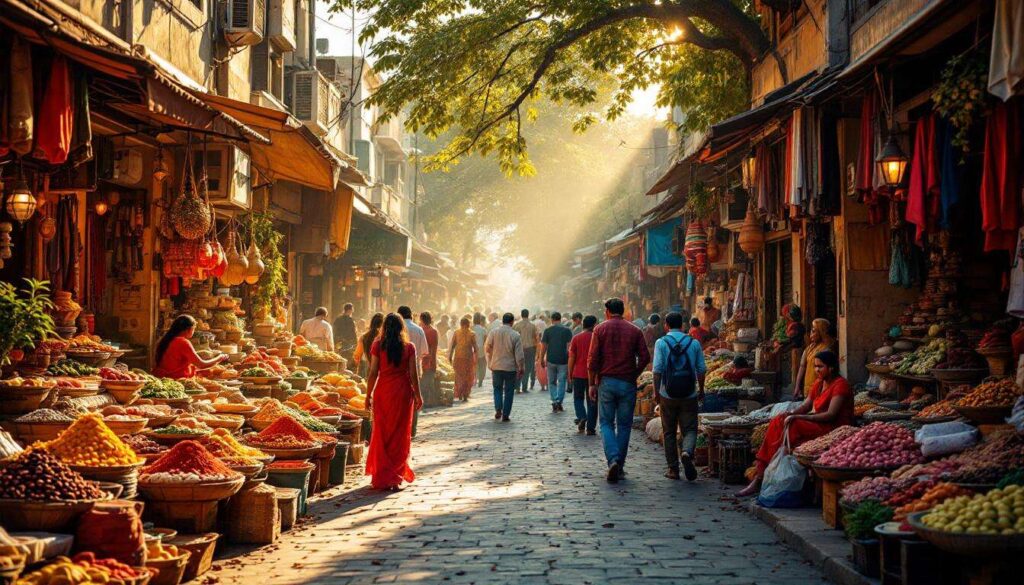
India beckons millions of travellers each year with its vibrant culture, ancient monuments, and diverse landscapes stretching from the Himalayas to tropical beaches. Yet this captivating destination presents unique challenges that can catch unprepared visitors off guard. Understanding what not to do proves just as essential as knowing the must-see attractions. From cultural sensitivities to practical safety concerns, certain behaviours can transform an enriching journey into an uncomfortable or even dangerous experience. Navigating this complex country successfully requires awareness of customs, respect for traditions, and common-sense precautions that differ markedly from Western norms.
Respect local customs
Understanding religious sensitivities
India’s spiritual landscape demands careful attention to religious protocols that govern daily life. Temples, mosques, and gurdwaras enforce strict rules about footwear, with visitors required to remove shoes before entering sacred spaces. Many religious sites prohibit leather items entirely, as cows hold sacred status in Hinduism. Women may need to cover their heads when visiting certain places of worship, whilst some temples restrict entry during menstruation. Ignoring these requirements not only causes offence but may result in denied entry or confrontation with worshippers.
Navigating social etiquette
Physical contact carries different meanings across Indian society. Public displays of affection between couples remain largely taboo, particularly outside major metropolitan areas. Handshakes with members of the opposite sex may be inappropriate in conservative communities, where the traditional namaste greeting provides a respectful alternative. The left hand is considered unclean, reserved for personal hygiene, so always use your right hand when:
- Accepting or giving items
- Eating food, especially during traditional meals
- Gesturing or pointing
- Exchanging money or documents
Pointing feet towards people or religious objects causes offence, as feet represent the lowest and least clean part of the body. When sitting on the floor, tuck your feet beneath you or to the side rather than extending them towards others.
These cultural considerations extend beyond religious sites into everyday interactions, shaping how you’ll navigate markets, restaurants, and social gatherings throughout your journey.
Avoid inappropriate photos
Restricted photography zones
Certain locations across India enforce strict photography bans for security or cultural reasons. Military installations, airports, bridges, and government buildings frequently prohibit cameras, with violations potentially resulting in detention or equipment confiscation. Religious sites may restrict photography during prayer times or ban it entirely within inner sanctums. The Taj Mahal permits exterior photographs but prohibits cameras inside the main mausoleum. Always check signage and ask permission before photographing in temples, mosques, or heritage sites.
Photographing people ethically
Snapping photographs of locals without consent demonstrates profound disrespect, reducing individuals to exotic subjects rather than treating them with dignity. Women, particularly in rural areas, may feel uncomfortable or violated when photographed without permission. Some communities, including certain tribal groups, hold spiritual beliefs about cameras capturing souls. Children should never be photographed without parental consent, and offering money for photographs can perpetuate exploitative dynamics.
| Situation | Appropriate Action | Why It Matters |
|---|---|---|
| Street photography | Ask permission first | Respects privacy and dignity |
| Religious ceremonies | Observe restrictions | Maintains sanctity of worship |
| Children | Obtain parental consent | Protects vulnerable individuals |
| Sensitive areas | Check for prohibition signs | Avoids legal complications |
Building genuine connections through conversation before requesting photographs creates more meaningful interactions and often results in willing subjects who feel respected rather than objectified.
Beyond capturing memories, protecting your physical belongings requires equal vigilance throughout your travels.
Keep belongings safe
Common theft tactics
Pickpockets and thieves operate throughout India’s tourist areas, employing sophisticated distraction techniques to separate travellers from their valuables. Crowded markets, busy train stations, and religious festivals create ideal conditions for theft. Razor blades can slice through backpack straps or bags without detection. Motorcycle-riding thieves snatch bags from pedestrians, whilst accomplices may deliberately jostle you whilst partners steal from pockets or bags. Never leave belongings unattended, even momentarily, as opportunistic theft occurs within seconds.
Protective measures
Implementing multiple security layers significantly reduces theft risk. Money belts worn beneath clothing keep passports, credit cards, and cash secure. Padlocks on backpack zippers deter casual thieves, whilst anti-theft bags with slash-proof straps and locking mechanisms provide additional protection. Distribute money across multiple locations rather than carrying everything together. Keep photocopies of important documents separate from originals, and store digital copies in secure cloud storage.
- Use hotel safes for valuables when available
- Avoid displaying expensive jewellery, watches, or electronics
- Keep bags in front of you in crowded spaces
- Remain alert in transport hubs and tourist hotspots
- Avoid walking alone in unfamiliar areas after dark
Train journeys require particular caution. Chain bags to fixed points overnight, and never accept food or drinks from strangers, as drugging incidents occasionally occur.
Just as protecting possessions matters, safeguarding your health through careful consumption choices proves equally critical.
Beware of unbottled drinks
Water safety concerns
India’s water supply harbours bacteria, viruses, and parasites that wreak havoc on unaccustomed digestive systems. Tap water remains unsafe for drinking across most regions, including in hotels and restaurants. Ice cubes typically come from the same contaminated sources, transforming seemingly safe beverages into health hazards. Even brushing teeth with tap water can trigger illness in sensitive individuals. Delhi belly affects countless travellers who underestimate waterborne risks, derailing itineraries with days of debilitating sickness.
Safe beverage practices
Sealed bottled water provides the safest hydration option, though counterfeit bottles refilled with tap water exist. Check seals carefully before purchasing, and buy from reputable establishments. Boiled beverages like chai pose minimal risk, as high temperatures kill most pathogens. Avoid fresh juices from street vendors unless you witness fruits being peeled and prepared with bottled water. Lassi and other dairy-based drinks carry risks in establishments with questionable hygiene standards.
| Beverage Type | Risk Level | Recommendation |
|---|---|---|
| Sealed bottled water | Low | Always safe choice |
| Hot tea or coffee | Low | Generally safe |
| Fresh juices | High | Avoid street vendors |
| Ice in drinks | High | Always refuse |
| Tap water | Very high | Never consume |
Carrying water purification tablets or portable filters offers backup solutions when bottled water proves unavailable, particularly during long journeys or treks in remote areas.
Whilst dietary vigilance protects your health, appropriate clothing choices demonstrate cultural awareness and facilitate smoother interactions.
Disregard dress code
Conservative clothing expectations
Indian society maintains modest dress standards, particularly outside cosmopolitan city centres. Revealing clothing attracts unwanted attention, uncomfortable stares, and occasionally harassment. Shorts, sleeveless tops, and short skirts prove inappropriate for most settings. Women face particular scrutiny, with exposed shoulders, cleavage, or legs above the knee considered provocative. Men should avoid going shirtless outside beaches or swimming pools. Dressing conservatively signals respect for local values whilst reducing unwelcome interactions.
Practical wardrobe choices
Lightweight, loose-fitting clothing in natural fabrics provides comfort in India’s heat whilst meeting modesty requirements. Women benefit from carrying large scarves or shawls to cover shoulders when entering religious sites or conservative areas. Trousers, long skirts, and tunics create versatile foundations for appropriate outfits. Men should wear long trousers and sleeved shirts in most contexts.
- Pack clothes covering shoulders and knees
- Choose breathable fabrics like cotton and linen
- Bring modest swimwear for beaches and pools
- Carry a scarf for impromptu temple visits
- Consider purchasing traditional kurtas locally
Footwear matters too, with easy-to-remove shoes proving practical given frequent shoe removal requirements at homes and sacred spaces.
Beyond appearance, communication challenges require proactive strategies to navigate daily interactions successfully.
Ignore the language barrier
Communication complexities
India recognises twenty-two official languages, with hundreds of dialects spoken across different regions. Whilst English functions as a link language in tourist areas and cities, proficiency varies dramatically. Rural areas, local markets, and smaller towns present significant communication challenges. Assuming everyone speaks English leads to frustration and misunderstandings. Accents, pronunciation differences, and varying vocabulary usage complicate conversations even when both parties speak English. Patience and creativity become essential communication tools.
Bridging linguistic gaps
Learning basic Hindi phrases demonstrates respect and facilitates interactions throughout northern India, though southern states use different languages. Translation apps provide invaluable assistance when verbal communication fails. Carrying a phrasebook offers backup when internet connectivity proves unreliable. Written addresses in local scripts help taxi and rickshaw drivers understand destinations. Gestures and visual aids communicate effectively across language barriers, though be mindful that some gestures carry different meanings.
- Download offline translation apps before travelling
- Learn essential phrases: greetings, numbers, directions
- Carry hotel business cards with addresses in local script
- Use maps and pictures to clarify destinations
- Speak slowly and clearly without raising your voice
- Confirm understanding through repetition and clarification
Indians generally appreciate efforts to communicate in local languages, however basic. A few words of Hindi or regional languages open doors and create positive interactions that enrich your experience beyond what English alone achieves.
Travelling through India rewards those who approach the country with cultural sensitivity, practical awareness, and respect for local norms. Avoiding these common mistakes transforms potential difficulties into opportunities for meaningful engagement. Understanding religious customs, seeking permission before photographing, securing belongings, drinking only safe beverages, dressing appropriately, and addressing language barriers all contribute to safer, more enriching experiences. India’s complexity demands adaptability and mindfulness, yet travellers who navigate these challenges discover a nation of extraordinary beauty, warmth, and diversity that leaves lasting impressions far beyond typical tourist encounters.